

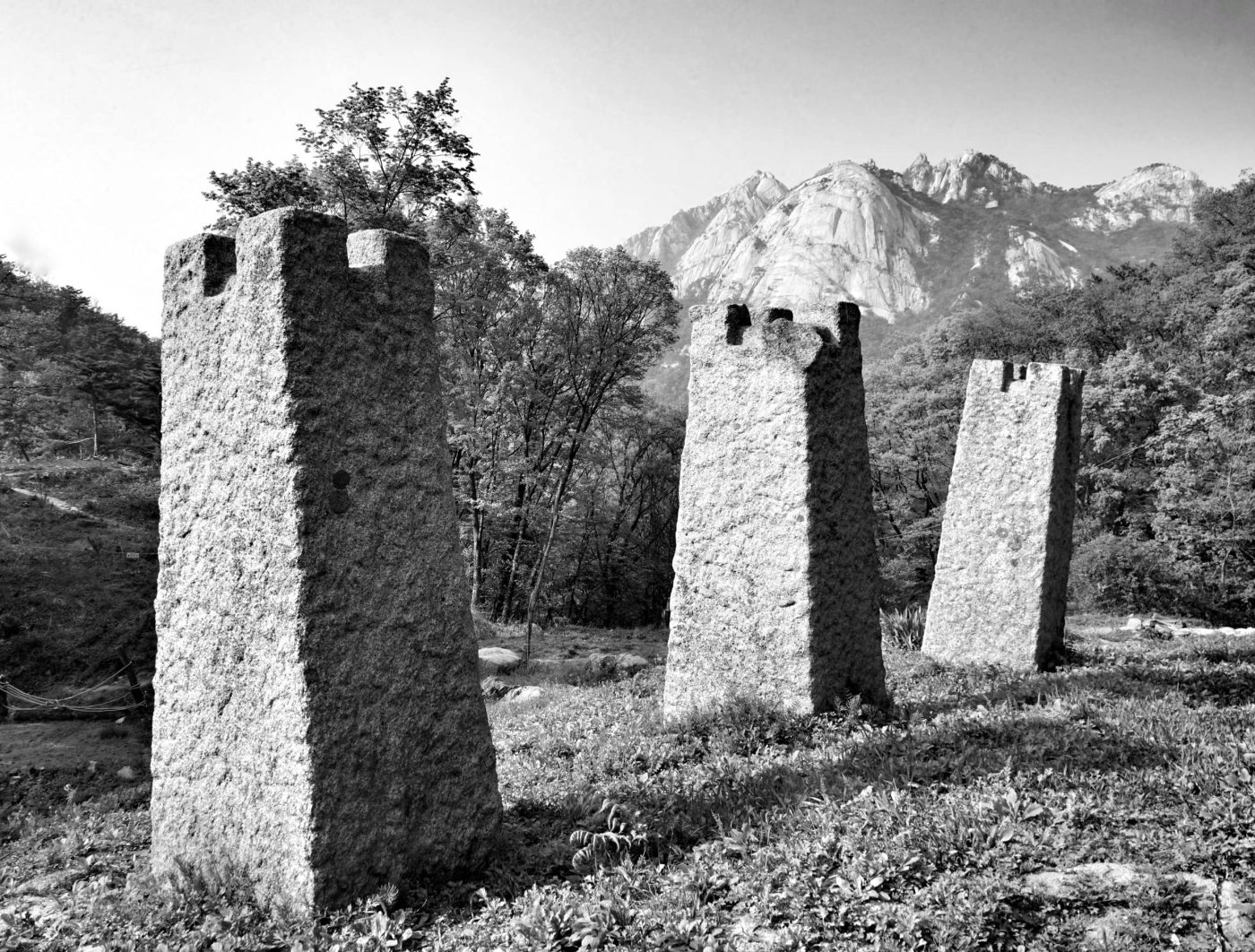
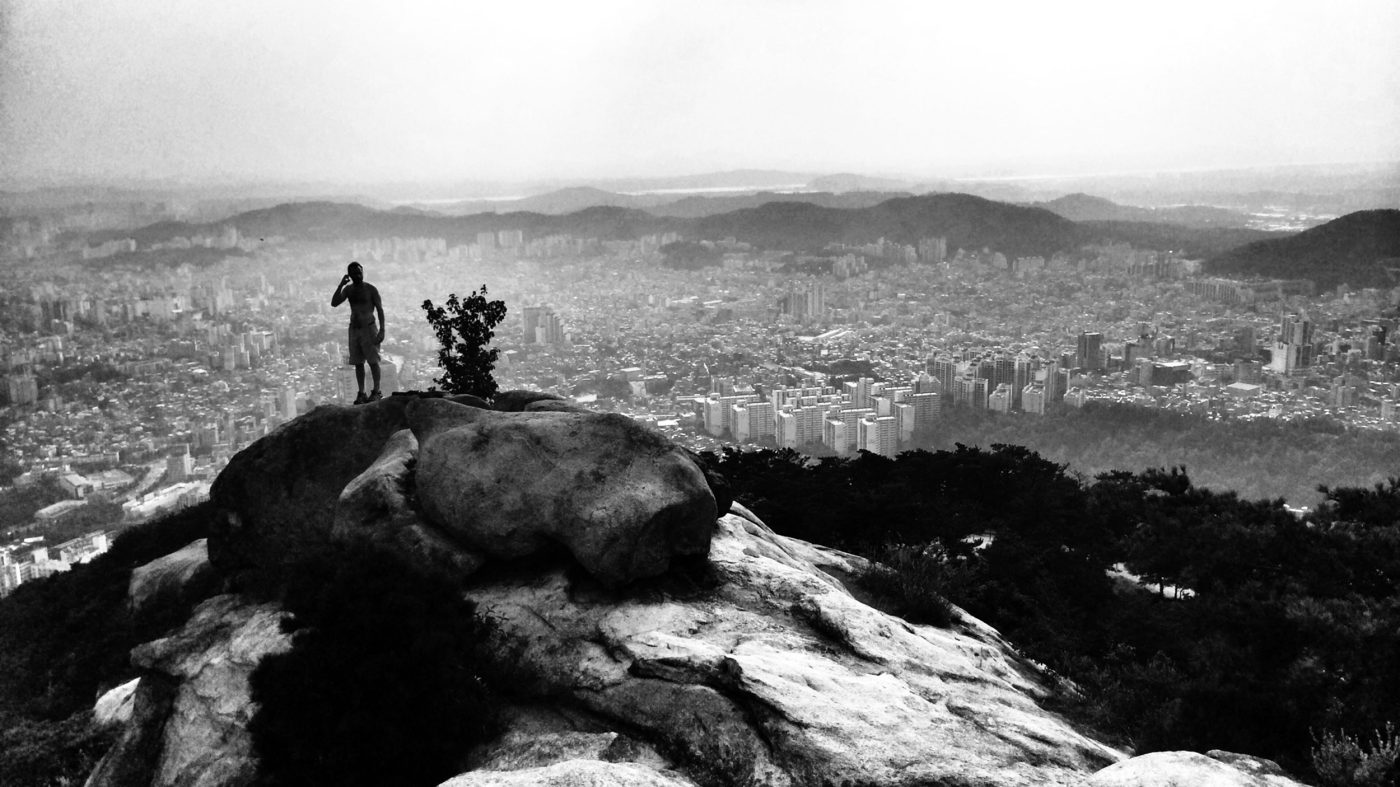
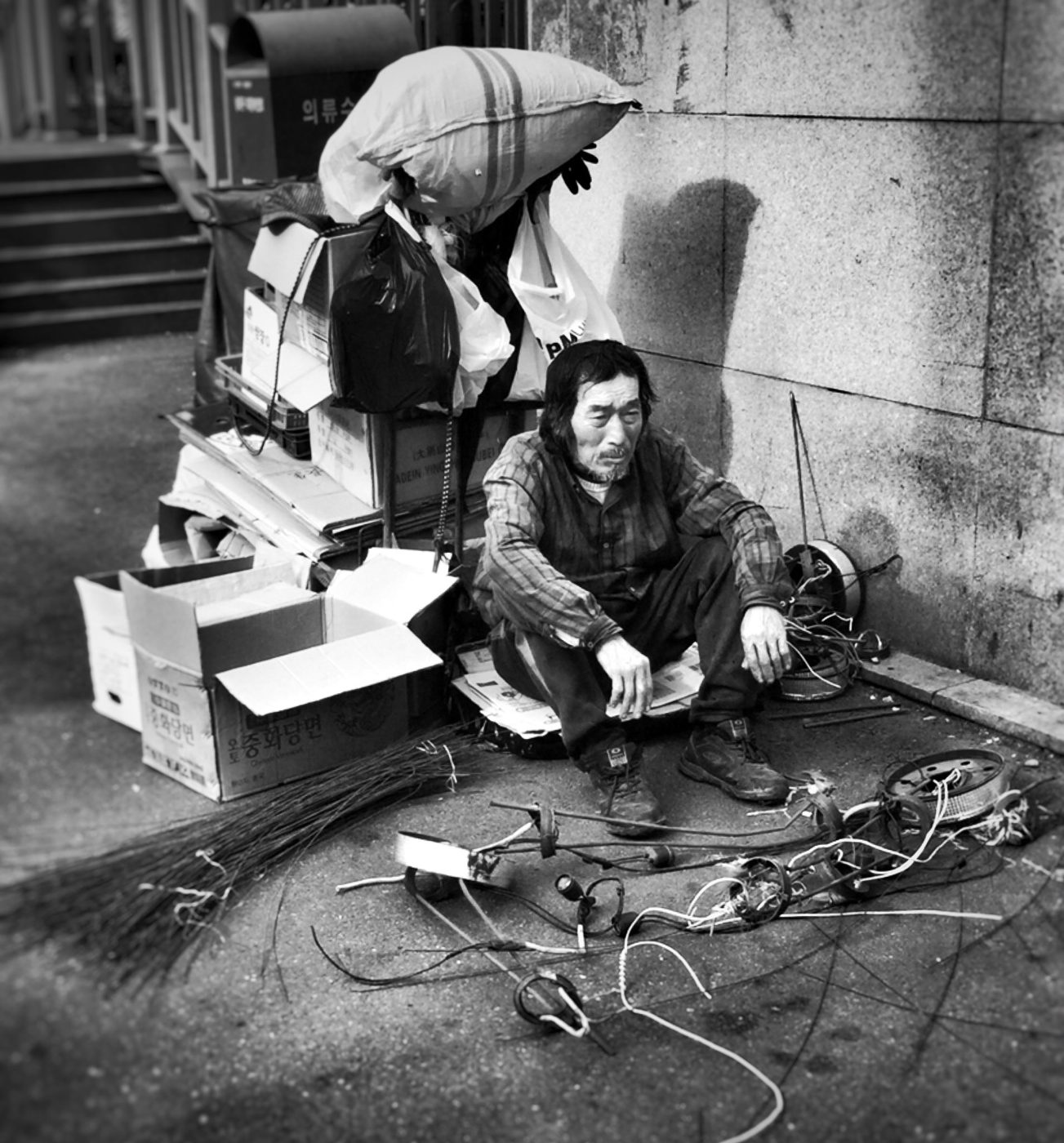

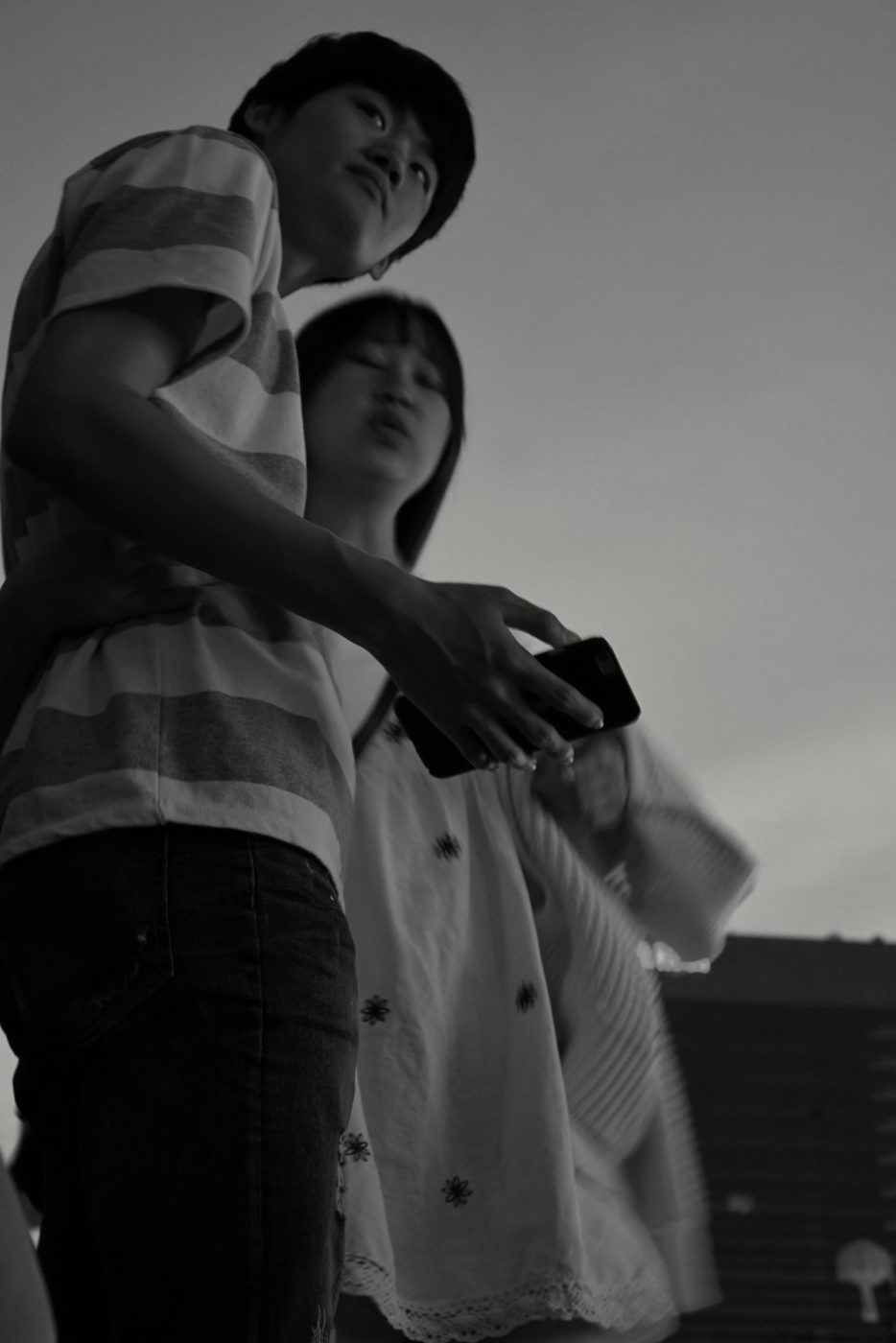
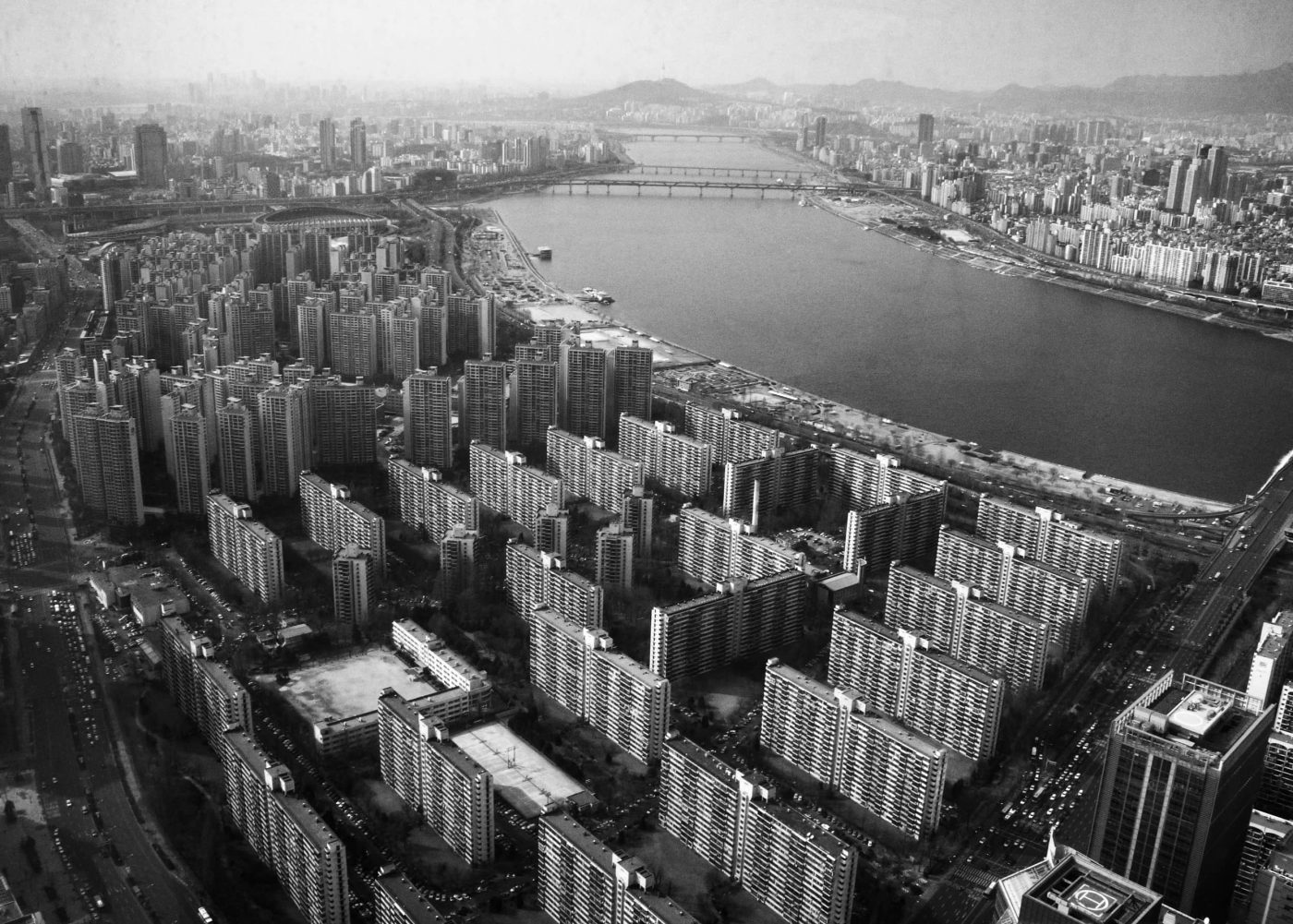



Seoul is a city of almost 24 million people founded in 18BC. The city is a living being full of contradictions and contrasts that turn it into a precise metaphor of what Baumann call the ‘liquid society’ representative of the 21st century. A society in which identity is constantly fluid, generating some certainty but specially an unprecedented anxiety and insecurity.
The South Korean philosopher Byung-Chul Han talks about a
‘society of transparency’. A society in which secrecy, trust and privacy have disappeared in pursuit of advertising and pornography. A Neoliberal market societ where citizens through big data have become commodities voluntarily. A system that imposes an almost sacred obligation of nakedness through social networks and where privacy and secrecy is seen with suspicion and criticism.
Seoul is a true reflection of the current consumer society with a modern and avant-garde architecture and a competitive and individualistic ethic influenced by American Protestantism.
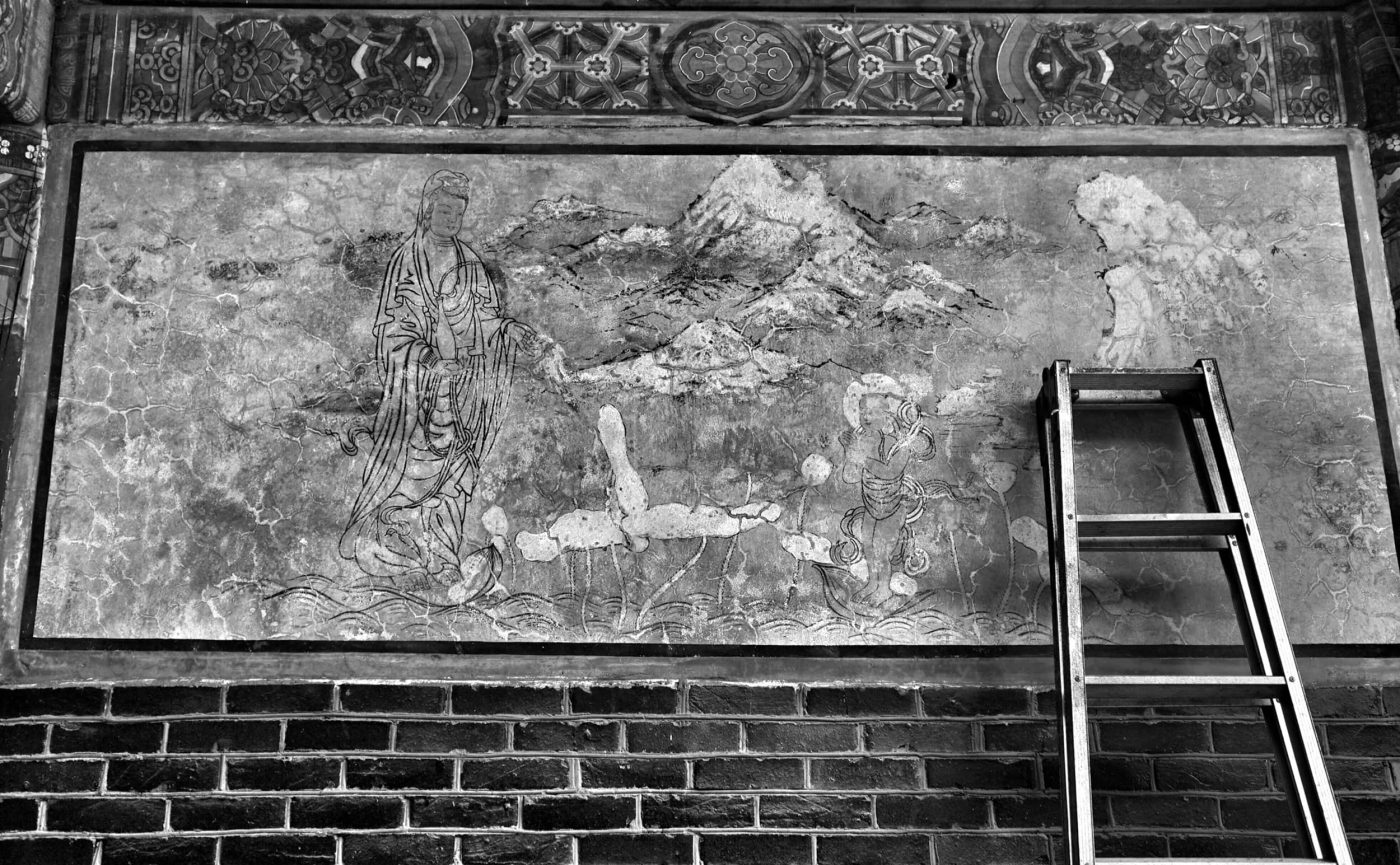
At the same time, it is still a community anchored in traditional values inherited from Confucianis and Buddhism with shamanic roots that foster the care for family, nature, privacy and the sense of belonging. This environment might be not so different from the time in which Benerice Abbot portraited the changes in New York and the American society.
Thus, the metropolis as a distorted mirror of this dichotomy, sometimes in harmony and most of the time in conflict.